Maarten Léon
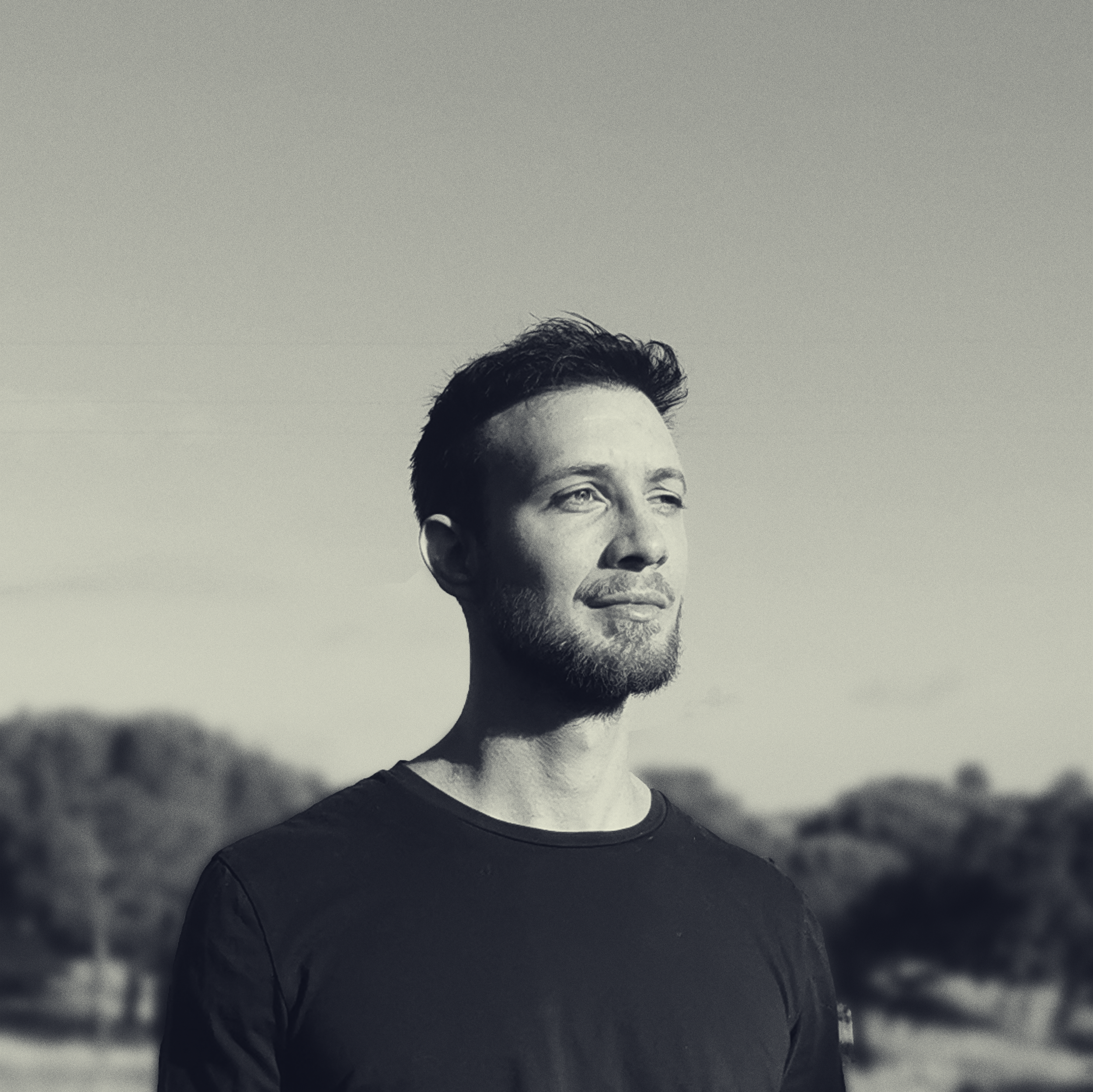
Maarten Léon gave up his job and moved from the cultural bustle of Amsterdam to the rural peace and quiet of an alpaca farm in Portugal.
His goal is to connect with nature and build his collage practice into a sustainable business. It’s a bold move and we caught up with Marten in his new home to get some insights into the drivers for his life-changing decision.
Article first published in Issue #12 of CC. Magazine, September 2022
Hi Maarten, so my first question is about the fact that you seem to have made two fairly big decisions recently - firstly you’ve made the move from Amsterdam to Portugal and at the same point, given up your job to become a full-time artist. Can you give us a bit of background to your thinking about those decisions?
So where to begin? It’s not been an easy decision. I’ve actually been working towards this idea for the past couple of years. I’ve always
had in mind that I would want to live in another country that has a better climate and to integrate into an international setting with other cultures. And in addition - I’m really curious about whether I can live off my creative passion?
When I was studying, I made the decision to go from the art academy to business studies which felt safer. I knew on this path I’d be more secure financially, but at the same time my passion was making collages and I did that on the side. My passion grew and it grew and I gave it a lot of attention to the point where I felt I could now live off that passion, but I wasn’t doing that. I felt I should at least give that a shot.
During Covid when I was sitting behind my laptop everyday making power points, when at the same time, I was starting to generate income from my collage work. So, after Covid I felt I now I have the freedom, I have the money, I don’t have kids yet - now is the right timing to do this.

So I was reading on your Instagram that you worked as a technology consultant. Was there design involved in that?
Not really. It was a bit of a weird journey because I started out as a graphic designer and then also got into a bit of web design. And then the logical next step for me was, should I also be able to make websites? So it got a bit technical there but I felt like the super technical stuff was not for me. I like the design part, I also like the analytical thinking part, but not so much the technical, staring-at-my-screen stuff. I think it was more of the problem solving - the creative problem solving - that helped me in my business technology consultant job and in my collages because you’re constantly looking at solving problems and I think that really helps them both.
So, when did the collage first start then?
I’ve been collaging for ten or eleven years. It started off with Instagram - just seeing things that I really liked. When I was at the art academy the approach was; you learn a technique, you paint and you’re with one painting for a couple of days. It takes a lot of time. I really like collage because I can do it for a couple of hours and it’s done and I’m onto the next project.
When I started collaging, it felt super aesthetically pleasing. It was quite new to me. It was quite easy for me to pick up and I had some cool ideas that popped out quite well. Soon I started to develop a bit of my own style. It hasn’t been easy because I’ve also felt a bit sick of some of the more common approaches to collage. Sometimes, it seemed like everyone was doing, I don’t know, a planet and some stars and some people looking at it and it felt like the same image over and over again that made me want to stop. But I also felt like my own style was unique enough to keep things interesting for myself. But I need to not look at other collages to keep that fun.
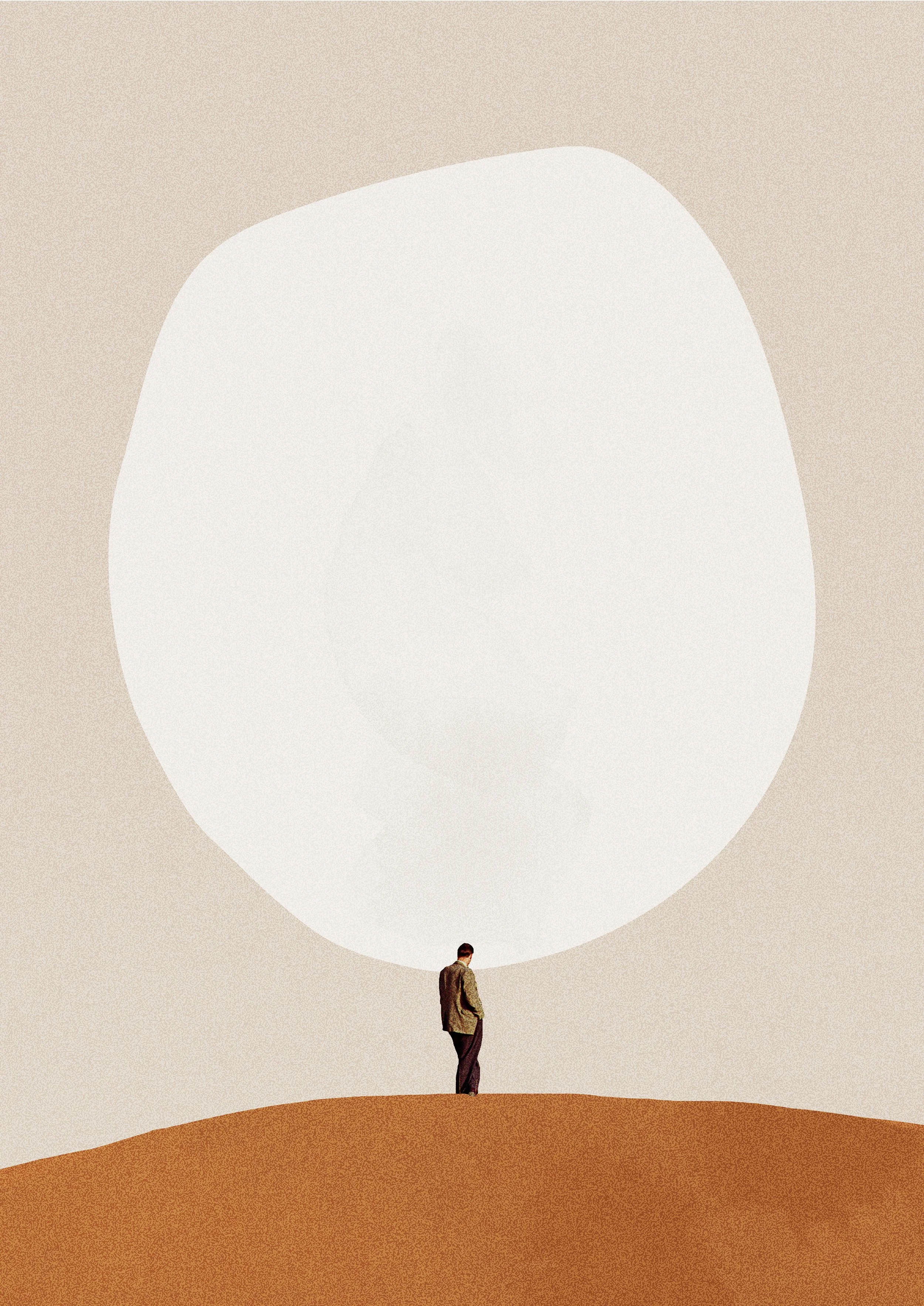
I read on your website that you categorise your style as ‘minimalistic surrealism’. I’m wondering what was the attraction to that? How you ended up in that particular style as opposed to any other style from a collage perspective.

I think I’m very drawn to the minimalism. How can you deduct an image as much as possible but still tell a very recognisable story that, within an instant, you know what it is about? I think that works best in storytelling but is also visually, aesthetically pleasing. It’s just a style that really speaks to me.
When I decide to make something, it’s usually based around things I see, things
I experience.
Surrealism is like an exaggeration of what I experience and I like that. It’s not a one-on-one copy of the world. It’s like, ‘oh, what if this and this would happen?’ It’s the over exaggeration of the reality and then something pops out.
What’s your actual process in terms of the medium then, Maarten? Because looking at your work it looks to me like it’s potentially a mixture of analogue and digital. Is that right or not?
That’s true, but it depends each time. I’m constantly looking into new techniques - I’m currently learning how to model in 3D.
And yeah, also still like to work in the analogue - painting, watercolour, just scissors and glue, but it’s always a mixture. And I think it depends what theme I’m about or what I want to tell. It first starts with an idea and then the medium sort of comes to mind as I think, ‘what would help telling this story?’.
I was actually going to pick up on what comes first in your process because clearly each piece is very concept driven and I’m just wondering whether that’s a reaction to seeing a particular image or do you have an idea that you then find the images for? How does it work in terms of what comes first?
To me it always starts with the concept, I don’t just start something and see where it goes. I feel like I’m constantly in this creative mode where I feed myself with images and news and also emotionally, by reading books, watching movies or listening to music. All those things, they do something to me and then an idea pops up.
Then with that idea comes the question - how could I visualise that? What would a person do or what would an object look like? How would this concept translate to a picture? I have a huge pile of magazines and books that I use and also I have a big database of digital images on a computer.
That must be quite difficult. A lot of collage artists would see an image and then come up with an idea of how to work with that image. But what you’re doing is coming up with a concept and then trying to find the image to fit the concept.
Exactly.
That feels like a harder way of doing things.
It is. I think, for me, it’s the best way to express myself and not just react to things. I think that’s the big difference for me. But I agree, it can be quite blocking sometimes, where I just can’t seem to get stuff out of my head. But also I am proud of the work that I do because I think every time I look at it I still agree with the choices I made. This is exactly what it should tell.
Is there a lot of trial and error involved? Landing on that right image to kind of nail the concept in your head?
I think concept-wise I can be done in maybe a couple of hours, but the fine tuning part, that can take maybe days. That’s me shifting elements around by millimetres and shaving off edges, it can be super frustrating but also very rewarding. I guess that’s the artist’s life in general. Maybe to add to that, I think when I’m done with an image I need to let it rest for a couple of days. And then when I come back to it and I don’t see anything I want to change? Then it’s done.
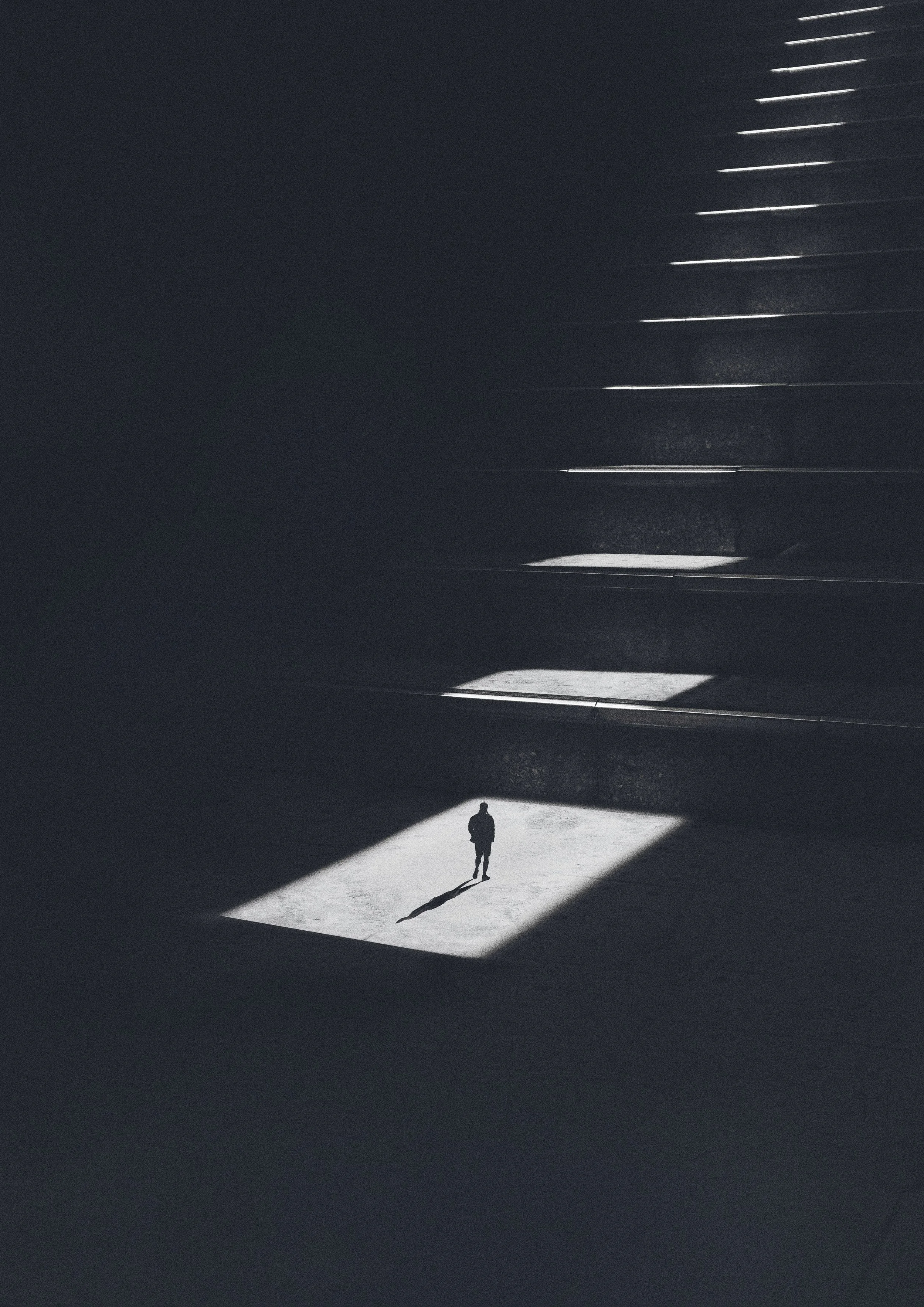
Is there a lot of trial and error involved? Landing on that right image to kind of nail the concept in your head?
I think concept-wise I can be done in maybe a couple of hours, but the fine tuning part, that can take maybe days. That’s me shifting elements around by millimetres and shaving off edges, it can be super frustrating but also very rewarding. I guess that’s the artist’s life in general. Maybe to add to that, I think when I’m done with an image I need to let it rest for a couple of days. And then when I come back to it and I don’t see anything I want to change? Then it’s done.
Yes, I understand that. So going back to the fact that you’re now trying to work as a full-time artist. I assume that one of the big advantages of having a very distinct style is that, when people book you from a commercial perspective, they have a very clear idea of what they’re going to receive back. They’re obviously commissioning you to do a job because they like that specific style to come into their project.
That’s exactly what happens. A couple of weeks ago Deloittes, the big consulting firm, asked for an image and the art director said, “I like how you can communicate a big message with very little elements.” They were like, “we’ll keep you free, you can do whatever you want, we just really like your style.” And I could just do what I know how to do. It was quite easy to get a message or an image out of that.
How are you finding trying to actually get the work in then? Are people finding you through Instagram? Do you have an agent? How are you managing to get the work through the door?
Well mostly via Instagram, actually. A lot of opportunities arose from just posting stuff. It’s been harder because the algorithm has changed over the years. I don’t post a lot so it’s quite hard to still get a wider audience when you don’t post reels and stuff that they push, and not just post for the people that already follow you. So organic growth it’s quite difficult. But yeah, it’s one of the less interesting parts for me, that you also have to be a social media manager as well as an artist, I just really hate that.
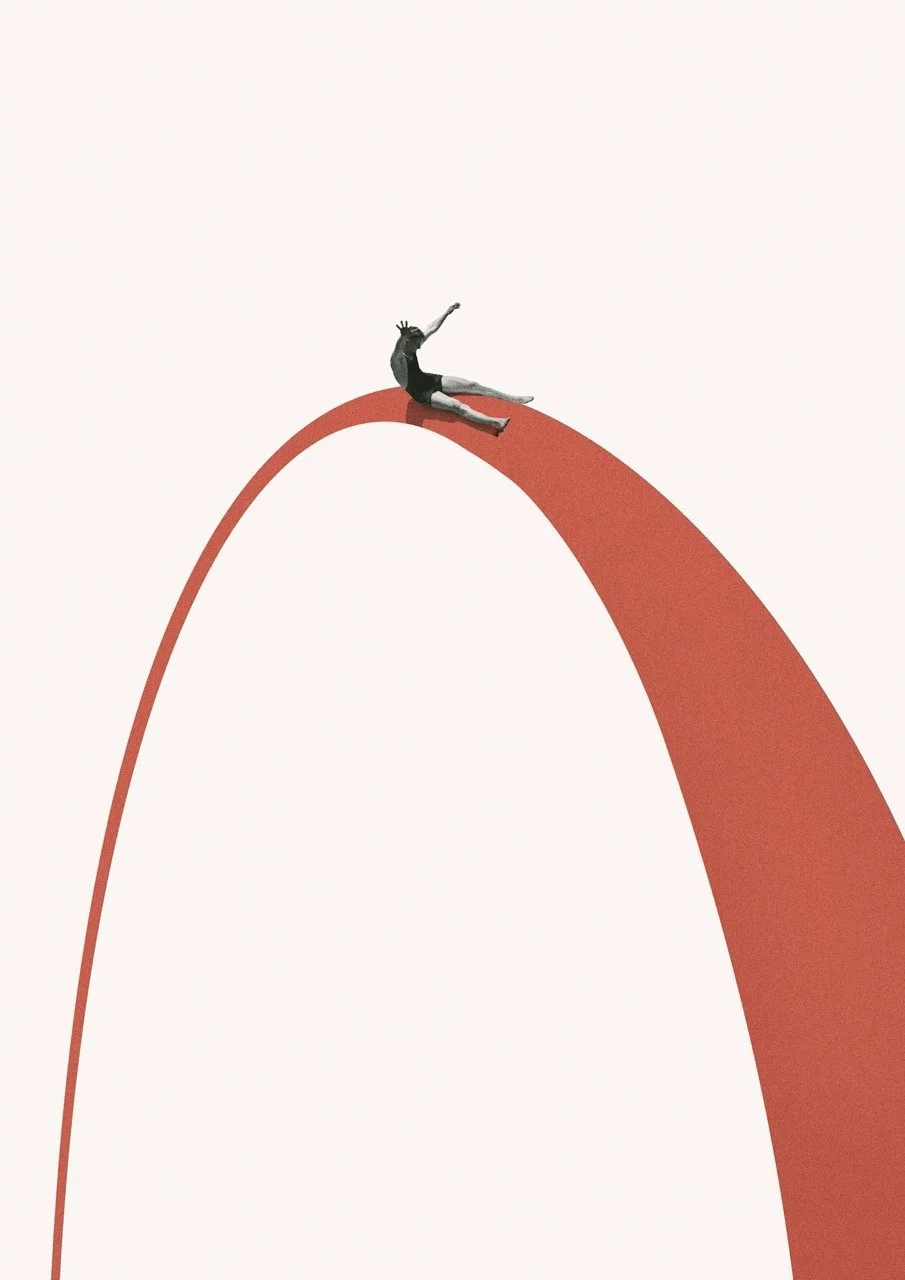
Do you feel in this new world that you’re in where you haven’t got the back up of a 9 to 5 job, that you’re going to have to get creative with your marketing to find ways of getting yourself in front of the right people?
Yes, definitely. And I think I have to prioritise it and it’s just a new way of thinking for me I need to come to terms for myself that it’s not just creating, it’s also a whole lot of other stuff like writing invoices and doing marketing, being present on social media. It’s just part of the job and keeping yourself relevant is sort of a big thing for that.
I was reading on one of your posts about an urge you have to change your art and that you’re kind of tentatively posting a few new things on your page. You said, “One thought is a noticeable urge to change my art into new directions.” And then you posted the collage, ‘Collecting Rain’ saying, “First render I feel comfortable with sharing. Slowly but steadily learning and improving.” So what’s this urge to change and what kind of direction are you moving in?
I’ve been working in a particular style for a while now and I’m very comfortable with it, but it’s been ten years and I feel like I am maturing. I like other things and I also like to challenge myself to move into different directions. It’s quite scary because it’s a direction where I don’t know where things will land. It’s also the best way to keep things interesting - to experiment with more abstract stuff or new outputs, I guess. It feels like right timing that I have more focus on this to also get more creative and post more things. But I won’t be good at it right away. It will have to take time.
It gets me nervous because your followers expect a certain style and they like you for it, but I don’t know if they like the new direction I’m heading in. So I feel like I need to take people along by the hands. And also be really upfront with people, like this is also who I am.
I was going through your Instagram page and scrolling back in time to when you were first posting and it seems to me to be a clear movement in your work becoming more and more minimal and more graphic in its nature. Is that a fair observation do you think?
I think so. Especially limiting myself and the amount of elements I use. I think my personal preferences go more towards clear compositions with little distraction and just directly seeing that this works as an image or not. So you need to have more focus on the little things that you show so they have to be really good, and that’s also quite challenging.
What about your influences, Maarten? Who are the designers or artists that you draw your inspiration from?
The person who got me into collaging is Sammy Slabbinck. I really feel like he’s very good at integrating images into a whole new scene. He’s really good at keeping images dynamic and fresh and I really like his approach. Visually, I’m quite passionate about everything to do with Japan. I also really like Lee Ufan, a very well known Korean sculptor and painter who uses minimalistic and quite ‘natural versus industrial’ materials in his work. He focuses on making a connection between humans and nature and I really like his approach and his minimalism. And I guess for me, it’s meditative and I try to have a sense of that peacefulness in my work as well. I want people to be at ease when they see an image that I post.
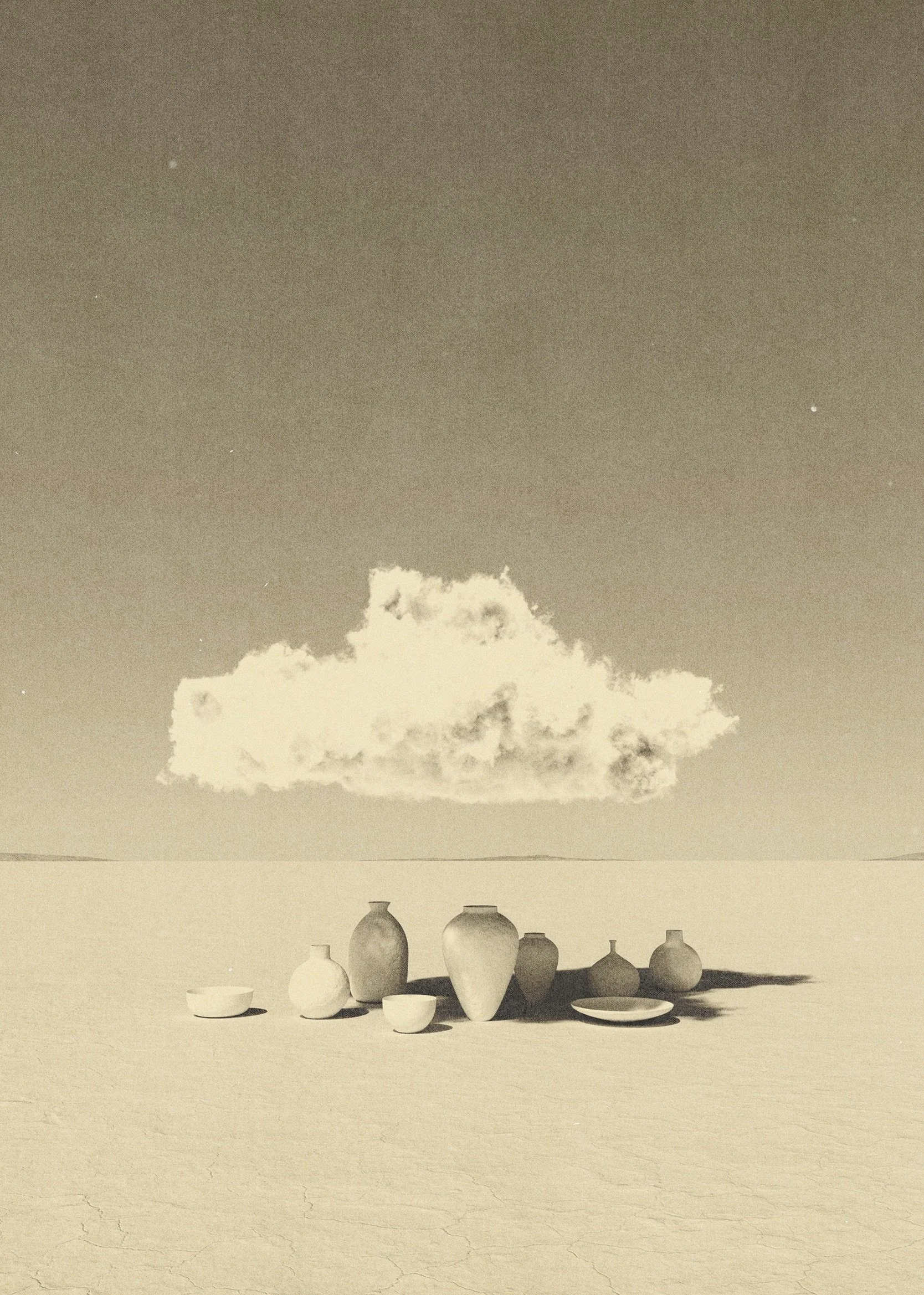
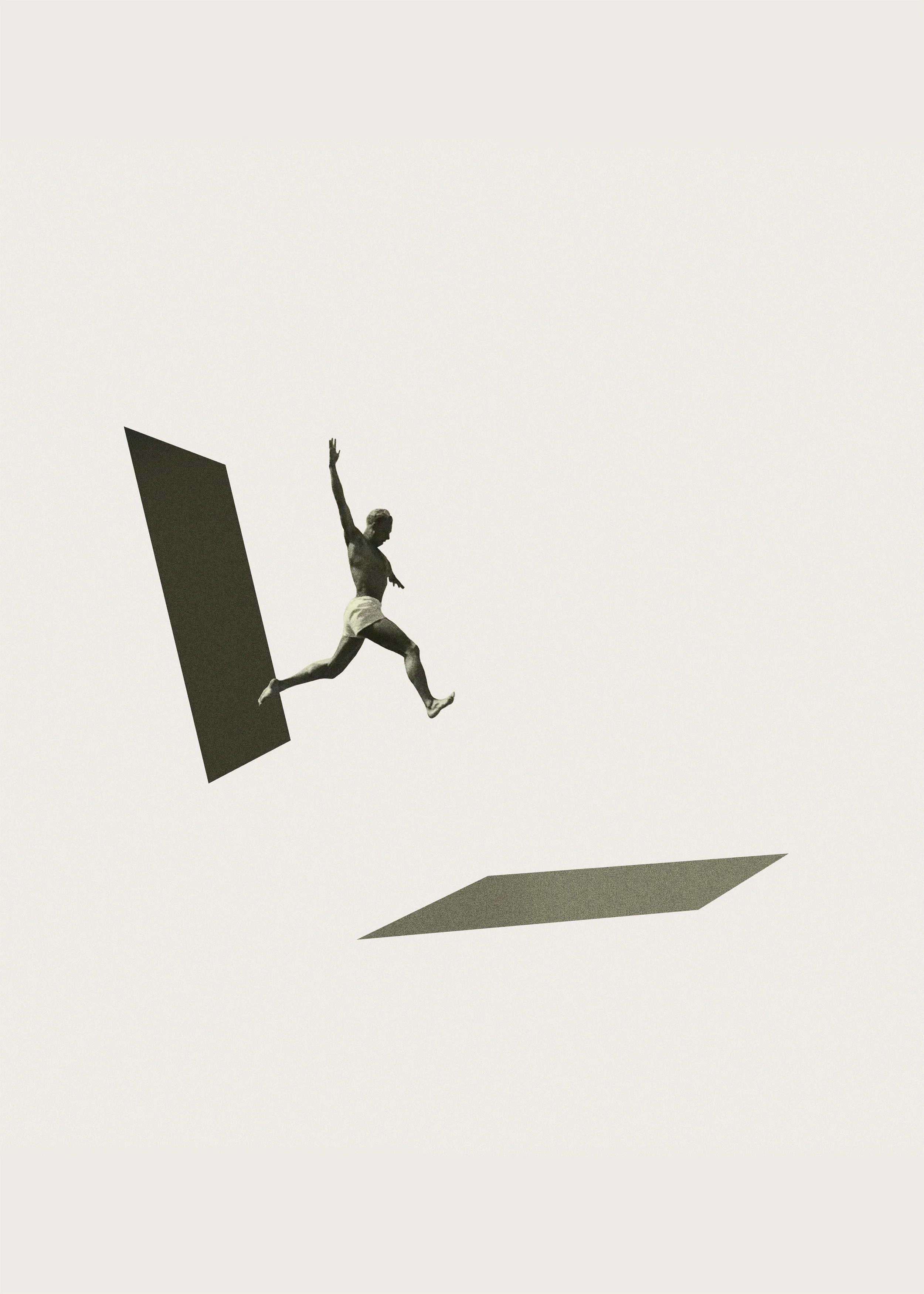
You mentioned a couple of times now that the move to Portugal is as much about being close to nature as it is about changing cultures, and nature clearly does feature within your work. Do you think the nature element is going to grow within your imagery at all?
I’m really curious to where it goes because the longer I stay in Portugal, the more my hunger toward nature grows. I really notice the effect that it has on my mental and creative state. I really feel that whenever I’m in nature I just pause what I’m doing and just try to be in the moment, to let ideas flow in my mind. It really fuels my creative engine, so to speak. I know that it will influence whatever direction I’m heading in, and I’m excited to embrace whatever the outcome will be.
It seems to me like you’re a person that’s constantly looking for the next environment, the next challenge, the next influence.
You kind of hit the nail on the head with that one. It’s also quite hard sometimes because I think that’s why I really like nature so much because I’m constantly thinking, ‘what’s the next goal? How should I get there?’ It’s super tactical, I guess. Like how do I crystallise stuff? In nature I can let go of those thoughts and just not think about tomorrow and stay in the moment.
Do you ever think that your love of nature and your collage might combine to be more proactive in trying to get people to protect or be aware of nature?
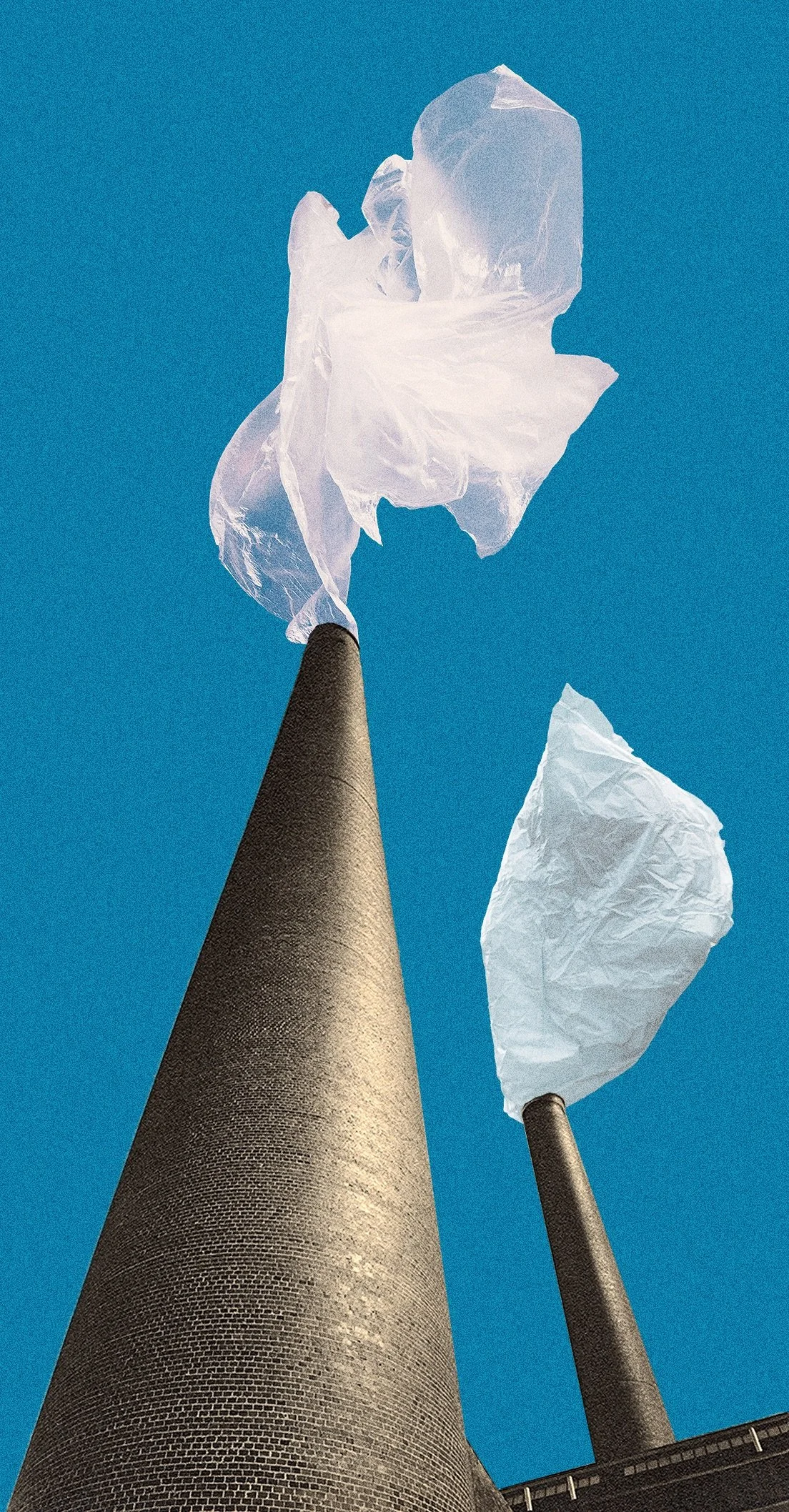
I’ve been thinking about that quite a lot, actually. Throughout the week I read up a lot on the news and I actually feel quite anxious about where the world is heading geo-politically, environmentally and socio- economically. So yes, I have a lot of thoughts about these things and the time is starting to come to also communicate these things in my work. I feel sad and frustrated by (Dutch) lawmakers not taking a powerful stance to overcome any of the problems we’re facing.
Take climate change for example. I am growing tired of a public narrative of individual responsibility, of pointing fingers at each other to fly less or stop eating meat (do consider these things as well of course), while governments have the actual power to start the complex untangling of our fossil fuel needs and meat consumption, by forcing corporates to follow tighter environment laws and thus people adapting to new realities. In a pessimistic mood I fear it will be little too late.
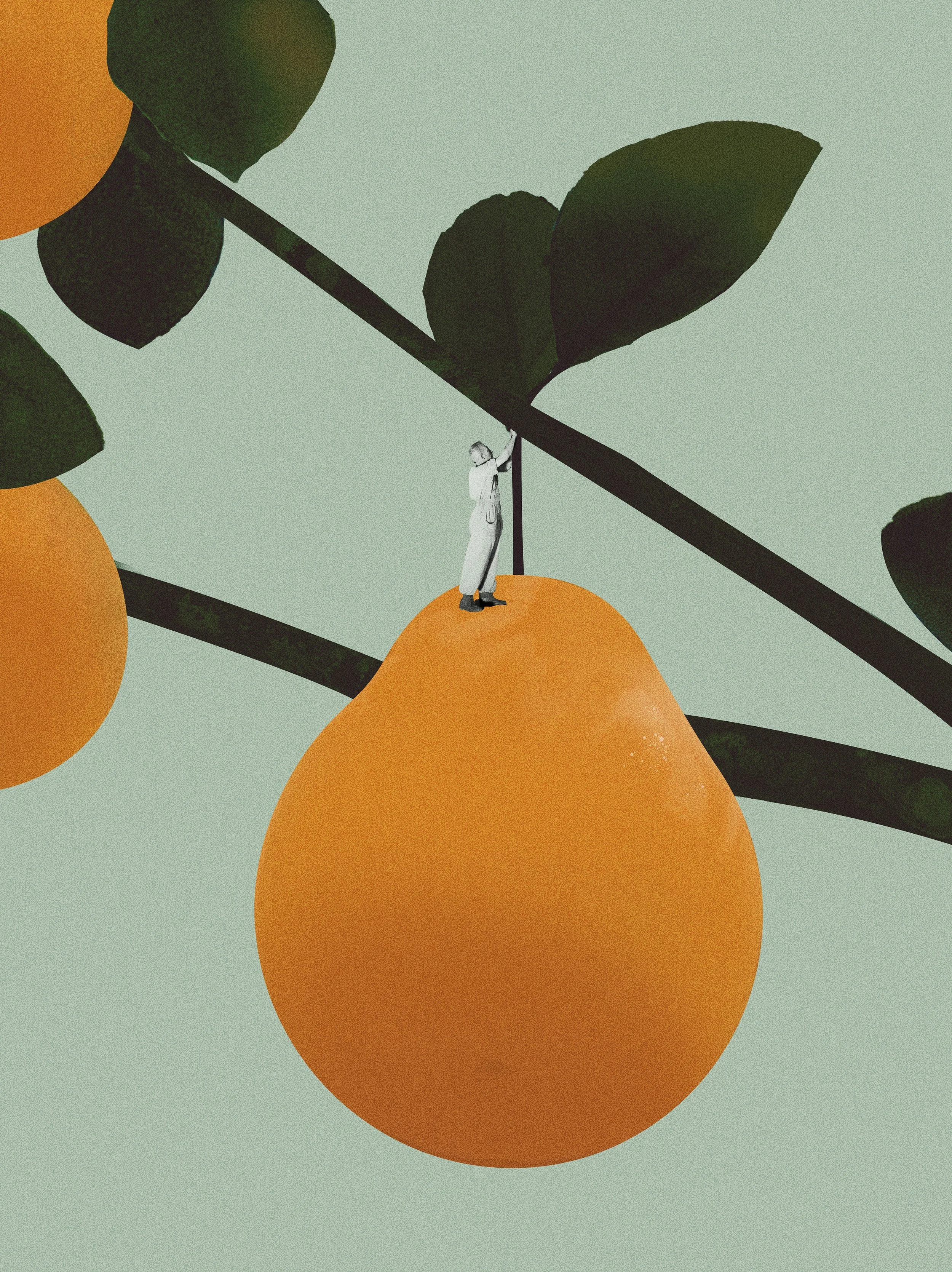
These themes lie beneath a lot of my collages, but without me talking about it, people could interpret them completely different or just see
a cute image (the man on the pear tree in this interview, for example, is about mankind about to go down by their own consumerism/greed, a bit dark I know, haha).”

Have you got any immediate plans? Any things coming over the horizon for you?
I feel now I’m starting to settle in more here. So my mind is more at ease with what new directions I should head to. And less of falling behind with work that needs to be done. Now I feel okay, I’m at a point of rest where I can really start making new stuff which is very nice. We’re staying at an alpaca farm, so there is a lot of nature, a lot of quiet environment to just stay focused and do my stuff.
Do you feel as though that change in environment is starting to show in your work?
Yes, I really noticed that when we stayed in Porto. I really like the city but I came from Amsterdam and I fell into old city habits. I immediately knew that if I wanted to do other stuff, I needed to get out of that environment. So I’m really curious, I don’t know what it’s like to stay on a farm, to wake up every day and open your doors and look at green, lush fields. That was kind of the dream I depicted when moving to Portugal. I really am curious to find out what it does to my art, to myself, to my world views and the mixture of that, like how it will manifest.
We’ll continue to follow your Instagram page and see where the art goes. I’m sure it will be quite interesting.
Please do. The last time I posted was two months ago. But I have this app where you can schedule ahead and I have twenty-five posts ready to be posted but I’m always over-thinking stuff. Sometimes you need to just put it out there and see what the reactions are and then you can navigate ahead. I need to stop trying to think things out in too much detail, that can be blocking at times.
Well it seems like you’re in the right environment to kind of unblock it.
Yes, exactly. That’s my main focus, actually. And also let go and loosen up, style wise, and try things the other way around, like just see where things land when you let go of control.
You can see more of Maarten’s work on his website: maartenleon.com
and on his Instagram account: @maartenleon